Infrared Sauna Benefits: What the Research Actually Shows
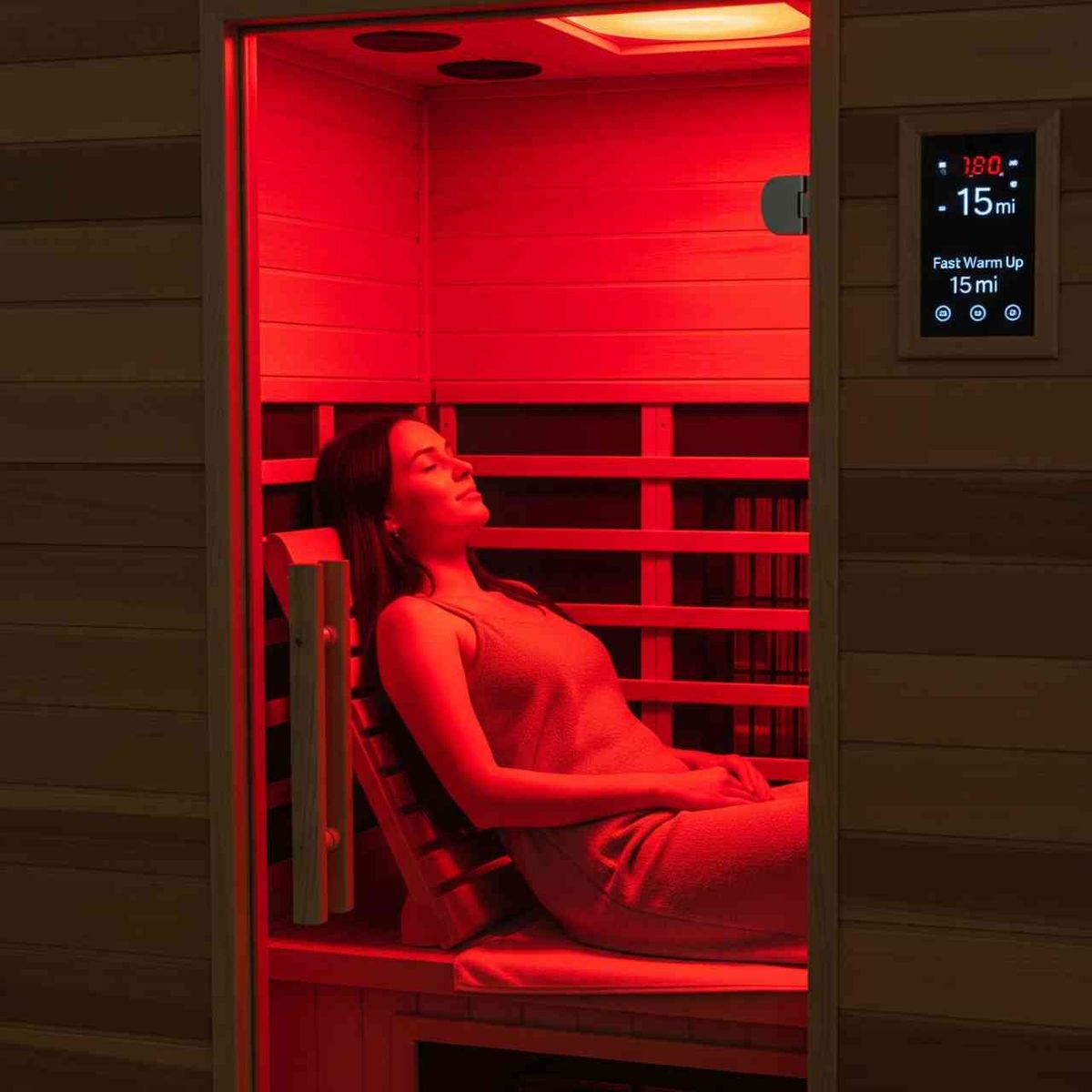
If you've searched "infrared sauna benefits," you've probably run into two very different kinds of pages — ones that promise it will detox your entire body and melt away fat, and ones written by physicians that sound almost reluctant to say anything nice about it at all. The truth sits in between, and it's genuinely interesting once you separate what's backed by evidence from what's marketing.
At Suzumi Wellness, we've built our infrared sauna experience in Bandra West around what the therapy is actually good at — not around inflated claims. Here's a plain-language look at what infrared heat does, what it doesn't do, and who should be careful with it.
How Infrared Heat Differs From a Traditional Sauna
A traditional sauna heats the air around you — usually to somewhere between 80°C and 100°C — and your body warms up because that hot air surrounds it. It's effective, but it's also why traditional saunas can feel overwhelming within a few minutes.
An infrared sauna works differently. Instead of heating the air, infrared panels emit light energy that's absorbed directly by your skin and the tissue just beneath it. The room itself stays at a much gentler 45–60°C, but your body still warms up and sweats, because the heat is going into you rather than into the air around you.
Practically, this means two things for anyone trying it for the first time:
- You can stay in longer. Because the ambient temperature is lower, most people find infrared sessions more comfortable to sit through for the full 20–40 minutes, rather than stepping out after five.
- The heat penetrates deeper. Traditional sauna heat mostly warms the skin's surface. Infrared wavelengths reach a little further into soft tissue, which is the basis for most of the recovery-related benefits below.
What the Evidence Actually Supports
This is the part most infrared sauna pages skip, because "some benefits, with caveats" doesn't sell as well as "cures everything." Here's a realistic summary.
Circulation. This is the best-supported benefit. As your body works to cool itself, blood vessels dilate and blood flow increases — a response similar to light cardiovascular exercise. Several small clinical studies, including research on cardiovascular patients, have shown measurable improvements in blood vessel function with regular infrared sauna use.
Muscle recovery and soreness. Increased blood flow to muscle tissue is also why athletes and physically active people use infrared saunas after training. The deeper heat can help ease stiffness and reduce the perception of muscle soreness, similar to how a warm bath helps — though more pronounced because of the depth of heat penetration.
Relaxation and stress. The sustained, gentle heat prompts a genuine physiological relaxation response — heart rate rises slightly, similar to light exercise, and many people report an afterglow of calm that lasts for hours. This is one of the more consistently reported benefits, even if it's harder to measure in a lab than blood flow.
Skin. Increased circulation and sweating can leave skin looking flushed and refreshed immediately after a session. Some people with mild skin concerns report improvement with regular use, though this is based more on anecdotal reporting than robust clinical trials.
Sleep quality. Some users report falling asleep more easily on days they use the sauna, likely linked to the drop in core body temperature that happens in the hour or two after a heat session — similar to the effect of a warm bath before bed.
Claims Worth Being Skeptical Of
Because infrared saunas are heavily marketed, it's worth calling out a few claims directly:
- "Detoxifies your body." Sweating does release water, salt, and trace amounts of certain substances — but your liver and kidneys are still doing the actual work of filtering toxins from your bloodstream. An infrared sauna session isn't a substitute for how your body already detoxifies itself.
- "Burns significant calories" or "causes real fat loss." You will burn some calories maintaining a raised heart rate during a session, and you'll likely see a lower number on the scale immediately after — but that's water weight from sweating, not fat loss, and it returns once you rehydrate.
- "Cures chronic conditions." Reduced stiffness and improved comfort are commonly reported, but an infrared sauna is a wellness tool, not a treatment for a diagnosed medical condition.
We'd rather you walk in with accurate expectations than an inflated one — the actual benefits above are worthwhile on their own.
Who Should Be Cautious
Infrared saunas are generally well tolerated, but they're not the right fit for everyone. You should speak with your doctor before booking a session if you:
- Are pregnant
- Have a cardiovascular condition, including low or high blood pressure
- Have any condition that affects your ability to sweat or regulate body temperature
- Are taking medication that affects blood pressure, heart rate, or hydration levels
If any of this applies to you, we're happy to talk through it when you book — but the honest answer is that a doctor's guidance matters more than ours.
What a Session at Suzumi Wellness Involves
A typical session at our Bandra West space runs 30–40 minutes. You'll be given water before and after — hydration matters more here than in most treatments, since you will sweat noticeably. The room is kept private, quiet, and set to a comfortable infrared temperature rather than the intense heat of a traditional steam sauna, so first-timers generally find it far more approachable than they expect.
Many guests pair their sauna session with a body massage immediately after — the increased circulation from the sauna can make muscles more receptive to massage work. If you're deciding between infrared and a traditional steam sauna, we've written a detailed comparison to help you choose. And if detox is specifically what you're after, it's worth reading our realistic guide to sauna detox before your first visit.
Frequently Asked Questions
How long should a first infrared sauna session be? Most first-timers do well with 20–25 minutes. You can build up to the full 30–40 minute session as you get used to the heat.
How often can I use an infrared sauna? Two to three sessions a week is a common starting point for people using it for relaxation or recovery. There's no strong evidence that more sessions produce proportionally more benefit — consistency matters more than frequency.
Will I lose weight from an infrared sauna? You may see a temporary drop on the scale from sweating, but that's water weight, not fat loss. Think of it as a recovery and relaxation tool, not a weight-loss method.
Is infrared sauna safe for beginners? Yes, for most healthy adults. The lower ambient temperature makes it more approachable than a traditional sauna. If you have any underlying health condition, check with your doctor first.
Can I use the infrared sauna and get a massage in the same visit? Yes — many guests do exactly this, using the sauna first to loosen muscles before their massage.
Experience Infrared Sauna Therapy
Step inside our serene wellness sanctuary in Bandra West, Mumbai for private 30–40 minute sessions.